
Team Intelligence, Powered by Play.
Research-backed tactics for engineering leaders, CHROs, and squad owners building Team Intelligence: the data layer that explains how teams actually behave under pressure.
Team Intelligence: The Three Pillars
The cornerstone reads on Team Intelligence: what the category is, the stack it runs on, and why it is emerging now. Start here before the rest of the blog.
The Science Behind Team Intelligence: 50 Years of Team Dynamics Research
An 8-part research series on the peer-reviewed work that became the QuestWorks Team Intelligence Engine. Crew Resource Management, psychological safety, transactive memory, stealth assessment, and the closed-loop architecture (patent pending).

15 Signs Your All-Star Team Has No Chemistry
A scannable diagnostic of 15 vivid signs your stacked team is shipping like strangers, with research anchors and a scoring guide leaders can run today.

Dream Team on LinkedIn. Stalled Team In Real Life.
Your team looks unbeatable on paper and ships like strangers. A 10-question audit to tell whether you have a real team or a roster of stars.

The Stacked-Stalled Pattern: A Manager's Inventory
The Stacked-Stalled Pattern names what happens when a roster of stars underperforms. Seven symptoms, three chemistry deficits, one manager's inventory.

Hyper-Productive Silos: The New Hybrid Pathology
Hyper-productive silos are hybrid teams where individuals ship more with AI while team chemistry decays. Here is how to diagnose it before a crisis.

Hope Is Not a Team Chemistry Strategy
Most team chemistry strategies are wishful thinking dressed as ritual. Here is what research says actually changes how teams click, and how to build a real system.

The Chemistry Observability Gap
Teams instrument code, individuals, and headcount, but cannot see their own chemistry. The case for behavioral team telemetry as the missing observability layer.

Cohesive or Just Polite? A Hybrid Team Diagnostic
A 10-question diagnostic for hybrid managers: figure out whether your team is actually cohesive or running on politeness theater. Three scoring bands, one action each.

The Three-Meeting Decision Problem
Hybrid teams need three meetings to make one decision. The cause is DRI ambiguity, surface consensus, async/sync mismatch, and missing pre-reads. Here is the fix.

Standup Theatre in Distributed Teams
Distributed teams nod on Zoom and disagree in DMs. The research on standup theatre and the rituals that surface real alignment in remote and hybrid teams.

The Friction-to-Conflict Pipeline
Five team friction signals hybrid managers miss before conflict erupts. Pattern-over-baseline detection, the surveillance edge, and the curvilinear caveat.

When Coworkers Become a Team (and When They Do Not)
Coworkers do not become a team by sharing an org chart. Five threshold conditions separate a group from a real team, and most hybrid teams clear none of them.

AI Ate the Watercooler. Hybrid Teams Lost Both.
Microsoft's 61K-employee study found cross-group collab dropped 25% and weak ties fell 32%. Hybrid promised the watercooler back. AI took the rest.

Amdahl's Law for Teamwork
Individual AI gains hit a wall at the team. Amdahl's Law explains why firm-level productivity is still flat and what actually moves the team-level number.

The Lean-Team Era: New Chemistry Math
In a 50-person team a bad hire is a 2% drag. In a 5-person team it is 20% plus chemistry collapse. The math of lean teams, from Brooks to Anthropic.

What Team Means in the Hybrid AI Era
The definition of team is breaking. Hybrid distance, agentic AI teammates, and the infinite workday stress what bounded, interdependent groups mean.

The Manager-as-Chemistry-Engineer Mandate
Hybrid broke the inherited model of management. The new mandate: instrument signals, design trust rituals, schedule deliberate interdependence.

Productive Friction by Design
Hybrid work removed accidental productive friction and amplified silent destructive conflict. How to design healthy disagreement back in, in priority order.

Who Lifts and Who Drains: Mapping Team Energy
Every team has invisible energizers and invisible drains. Here is what the research says, why surveillance ruins it, and how to map team energy without crossing the line.

Pressure-Test the Team, Not the Talent
Hiring tests individuals. Performance reviews test individual output. Nothing tests the team until a real crisis. The case for deliberate team pressure tests.

The Connective Tissue Index
A proposed managerial metric for team chemistry: weak-tie density, handoff fluency, productive disagreement, and mutual recovery time. Research, caveats, naming case.

Forgetting How to Play in the Same Band
AI is making individuals faster and teams weaker. The shadow cost of solo productivity, why chemistry is the lever nobody is pulling, and what to do about it.

Team of High Performers vs. High-Performing Team
Why star-stacked teams underperform and chemistry-engineered ones win. Case studies from Real Madrid to Pixar, plus the research behind it.

How AI Is Hollowing Out Your Hybrid Team
AI makes individuals faster while team chemistry rots. The chemistry-vs-productivity tension in hybrid orgs, what the research shows, and how to fix it.
Hybrid Won. The Connection Problem Didn't.
Hybrid is now the majority arrangement for remote-capable jobs, but the chemistry, friction, and onboarding problems that broke fully-remote teams haven't gone with it. What two days a week in the office can and can't fix.

10 ways to use QuestWorks for Team Intelligence
Hiring decisions, promotion signals, internal transfers, project staffing, cross-functional kickoffs, post-reorg onboarding, M&A integration. Ten high-leverage moments to spend the continuous quest signal.

The Hidden Cost of Bad Team Intelligence
A back-of-envelope CFO calculation. Disengagement, conflict, decision waste, reorg failure, meeting overhead. The $250M problem hiding in the org chart and what improvement actually returns.
Why Teaming Is the Skill Gen AI Can't Replace
AI eats individual cognitive work. The coordination tax inverts. Klarna already paid for the lesson Zuckerberg wants to skip. Why teaming compounds in value as everything else gets automated.

The Team Intelligence Map Replaces the Org Chart
McCallum drew the first org chart in 1855. AI is flattening hierarchies, 81-95% of employees are on multiple teams, and the static chart is obsolete the day it's drawn. Here's what comes next.

Team Intelligence vs. People Analytics
People analytics measures individuals. Team Intelligence measures the system. Why your HRIS and engagement platform were never going to solve the team layer, and how the categories actually fit together.

From Engagement Surveys to Team Intelligence
A 5-level maturity model for the migration from annual engagement surveys to Team Intelligence as a funded function. The phased path most orgs will take over the next five years.

The Team Intelligence Stack: 7 Layers by 2028
Like the modern data stack named the architecture of analytics, Team Intelligence needs a defined stack. Seven layers from behavioral telemetry to decision audit, with vendors and gaps named.
The 90-Day Team Intelligence Playbook
Week-by-week implementation guide for the first Director of Team Intelligence. Behavioral baselines, high-leverage teams, first cycle, exec report. Designed to be handed to a new hire.
5 Metrics Every Team Intelligence Engine Tracks
Conflict Recovery Time, Trust Velocity, Decision Latency, Cross-Functional Throughput, and Psychological Safety Stability. The DORA-style measurement stack for the team layer.
What Is Team Intelligence? Definition + Framework
Team intelligence is what a team knows about itself, what its leader knows about it, and what it does with that knowledge automatically. The three-layer definition, the lineage, and the science.
Jon Levy's Team Intelligence: A Builder's Take
A practitioner read on Jon Levy's 2025 book Team Intelligence. Where his framework agrees with the QuestWorks definition, where it diverges, and what to pair the book with.
The Teaming Premium: Edmondson in the AI Era
Amy Edmondson defined teaming as a verb in 2012. As AI automates individual cognitive work, teaming becomes the most leveraged human capability and the thing Team Intelligence measures.

The Director of Team Intelligence is Coming by 2030
AI is shrinking knowledge teams. CHRO churn is at a 10-year high. The next Fortune 500 role owns squad-level operating performance and the data layer that explains it: Team Intelligence.

The RPG Generation Is Already in Your Workforce
The 18-35 cohort is 53% of the TTRPG market and most of your pipeline. They already practice the team skills corporate training keeps trying to build.

What D&D Players Already Know About Great Teams
Experienced D&D groups already practice the exact team mechanics peer-reviewed management research identifies. Managers can steal the pattern.
Narrative Beats Leaderboards in Training
Leaderboards, points, and badges are the weakest form of gamification for skill transfer. Narrative plus collaboration has the stronger research base.

Best Apps for Virtual Team Building Activities
Real 2026 vendors, grouped by category, with pricing and honest tradeoffs. One-off events, Slack bots, recognition, continuous practice, icebreakers.

How to Choose a Leadership Development Service
Four categories: cohort, coaching, self-serve, simulation. The right pick matches the development gap, not the vendor with the loudest deck.

L&D Strategy for Small Businesses
Small companies spend $1,091 per learner while large companies spend $468. Here's a coherent four-layer strategy that actually works on a lean budget.

The Core Principles of Adult Learning
Six principles from Knowles, Kolb, Ericsson, Bandura, and Lave & Wenger that predict whether training produces behavior change. With honest caveats.

OD Frameworks for Team Performance
Ten frameworks consultants use (Lewin, 7S, Burke-Litwin, Kotter, ADKAR, Tuckman, Hackman, GRPI, Drexler-Sibbet, Aristotle), their actual evidence bases, and which fits which problem.
RPG for Corporate Training: The Fortune 500 Rise
31% of Fortune 500 HR departments are piloting tabletop RPG exercises. The market data, the research foundation, and the companies already running RPG programs.

The Corporate RPG Market: Why Role-Play Is Surging
TTRPG at $2.4B in 2026. Serious games to $11B by 2030. Corporate game-based learning growing 15% CAGR. The data behind the shift.

RPGs for Leadership Development: The Research
Classroom leadership training transfers at 10-20%. Simulation research shows larger effect sizes. Why multiplayer RPGs are the next layer after individual simulators.

How to Run a Tabletop RPG for Corporate Training
Scenario design, GM selection, team size, session structure, debrief format. The operational playbook for a corporate RPG session that actually produces team development.

D&D vs Custom RPGs for Team Training: Which Works?
D&D 5e, lightweight narrative systems, facilitated services, and purpose-built platforms. Four categories compared on setup time, skill transfer, data, cost, and repeatability.

RPG-Based Conflict Resolution: Role-Play for Hard Talks
Corporate role-plays fail because the ego is still on the line. Narrative RPGs succeed because a character can say what a coworker can't. The research on why.

Serious Games vs. Gamification vs. Game-Based Learning
Three different products, three research bases, three use cases. Karl Kapp's definitions, the evidence for each, and where QuestWorks fits in the category.

Why RPG Mechanics Teach Soft Skills Better Than Modules
The 10% retention problem, Ericsson's three conditions for deliberate practice, and why the skills that matter most to leaders are the skills workshops are worst at building.

7 Companies Using Tabletop RPGs for Corporate Training
Pixar's Braintrust, Google's Project Aristotle, military and medical simulation, Harvard negotiation, and three live RPG vendors. What each program does and where the limits are.

The Science of Learning Through Play: Why Adults Retain More
Ebbinghaus, Tulving, Brown, McGonigal, Bandura, Ericsson. Six bodies of research on why adults retain more from experienced play than from delivered content.

Why Product Triads Break Down (And How to Fix Them)
The PM-design-engineering triad is the most common team structure in product development and the most commonly dysfunctional. Four failure modes, and a path out of each one.

The PM's Guide to Influence Without Authority
Product managers own outcomes but manage nobody. Stakeholder alignment, roadmap defense, and the research on what separates PMs who lead from PMs who coordinate.
How Product Teams Make Decisions Without Getting Stuck
Feature prioritization deadlocks. Build vs buy arguments. The frameworks and habits that separate product teams that ship from product teams that debate.

PM-Engineering Tension: Ship Fast, Keep Trust
Speed vs craft. The PM wants to ship. The engineer wants to do it right. The structural cause, and the decision framework that lets both sides win.

Roadmap Fights: Product Prioritization Without Politics
Sales wants features. Engineering wants tech debt. Design wants polish. A framework for running prioritization sessions that produce decisions instead of power struggles.
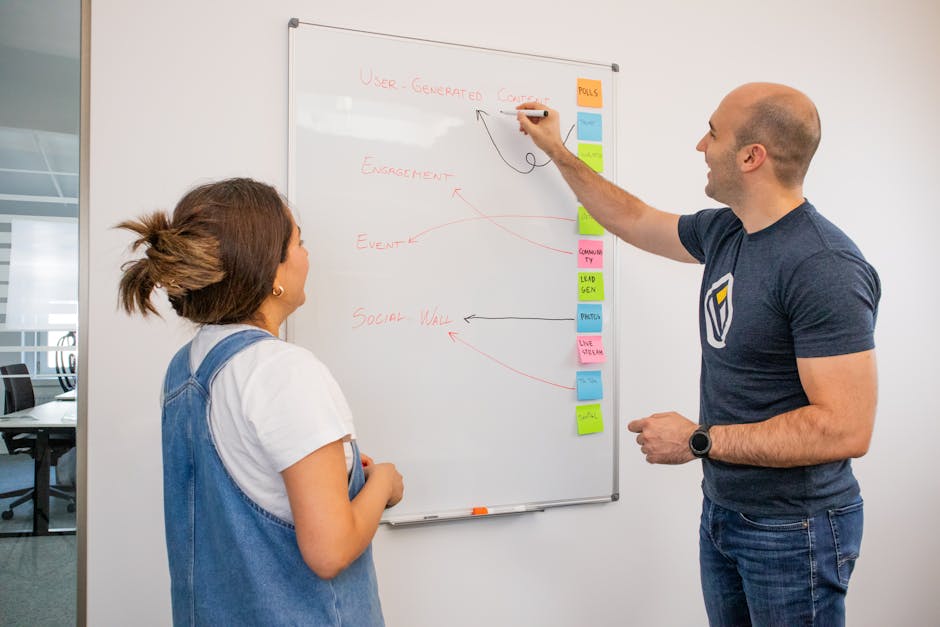
Marketing Team Collaboration When Everyone's a Specialist
Marketing teams have more specialists than ever, but specialists create silos. How 6 roles sharing a funnel can build shared context instead of parallel workflows.
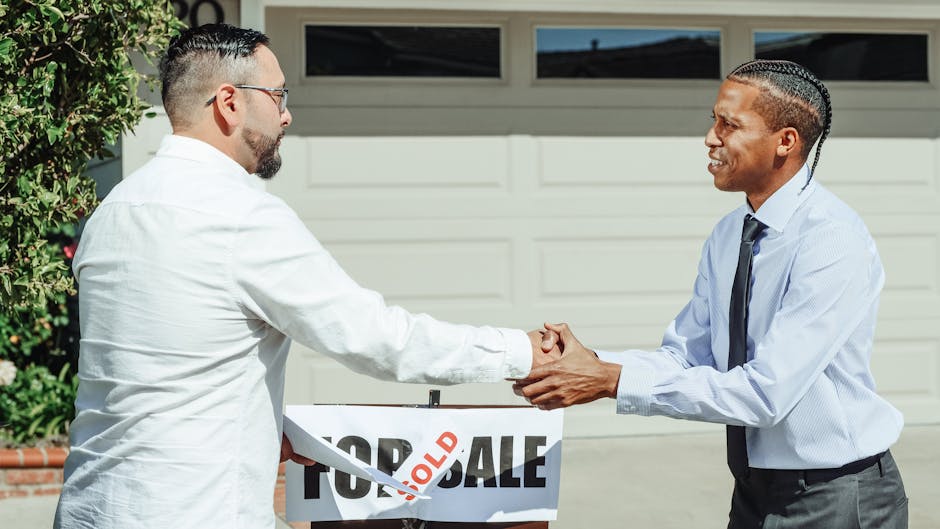
Marketing and Sales Alignment: Fix the Oldest Silo
Marketing generates leads sales says are garbage. Misalignment costs $1 trillion annually. Shared metrics, joint planning, and why smarketing meetings fail.

How to Give Feedback on Creative Work
Creative feedback is different from code review. The Pixar Braintrust model, Liz Lerman's Critical Response Process, and how to critique without crushing.
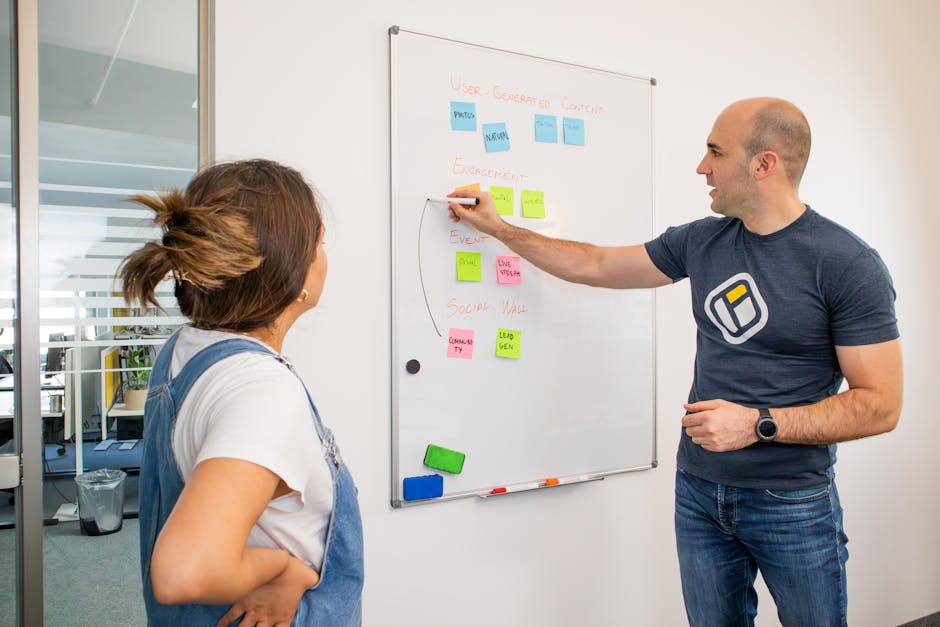
Campaign Post-Mortems for Marketing Teams
Engineering has retros. Marketing has nothing. A retrospective format adapted for campaigns: what to measure, how to run it, and handling channel defensiveness.

Design Critique That Builds Teams (Instead of Egos)
Design critique builds or destroys psychological safety. The GV critique format, Liz Lerman's process, and how to give feedback when you are not a designer.

The Design-Engineering Handoff: Why It Breaks
Designers hand off Figma files. Engineers build something different. The spec gap, the feasibility gap, and process fixes from Airbnb and Spotify.

How to Run a Design Team on a Distributed Team
Design teams miss the whiteboard. FigJam and Miro as replacements, async design review protocols, virtual design sprints, and what remote teams actually lost.

CS Team Burnout and Frontline Emotional Labor
47% of CSMs report burnout. CS teams absorb frustration all day while engineering gets retros and sales gets celebrations. Emotional labor research explains why.

The CS-Product Feedback Loop: Customer Voice to Roadmap
CS hears the same feature request 50 times. Product never acts. CS stops reporting. Why the feedback loop breaks and what fixes it.

How to Build Team Culture on a Customer Support Team
Support teams have the highest turnover and lowest culture investment. The work is reactive, metrics are individual. How to build real team culture.

Shared Fate, Unequal Consequences: How One Dice Pool Creates Real Team Dynamics
One shared roll decides everyone's fate, but consequences land based on who stepped forward and who stayed back. The dice pool mechanic that surfaces delegation risk, opt-out costs, and accountability.

Workplace Loneliness: The Team Dynamics Problem Nobody Talks About
1 in 5 employees feels lonely at work. The Surgeon General calls it an epidemic. The fix is structural: small-group shared experiences, not wellness apps or EAPs.

How to Have Difficult Conversations at Work (A Manager's Script)
57% of managers avoid hard conversations. A preparation checklist, opening scripts for the first 30 seconds, tactics for defensiveness and shutdown, and a follow-up protocol.
Hybrid Meeting Best Practices: How to Stop Leaving Remote People Out
Hybrid meetings are the worst-performing format. Facilitation tactics, meeting types that should never be hybrid, and follow-up protocols that close the information gap.

Manager Imposter Syndrome: Why Every Good Manager Gets It
Imposter feelings are more common in good managers than bad ones. Clance & Imes 1978, the five imposter archetypes, why confidence coaching fails, and what actually works.
How to Give Constructive Criticism (Without the Feedback Sandwich)
The sandwich method does not work. Research-backed alternatives: SBI, COIN, and Radical Candor. Examples, defensiveness fixes, and scripts for senior stakeholders.

Delegation at Work: Hand Off Without Losing Control
Five delegation levels, the task-versus-decision split, the failure modes most managers fall into, and what to do when the person you delegated to drops the ball. Gallup: high-delegation CEOs generate 33% more revenue.

10 Remote Team Engagement Ideas That Don't Suck (2026)
Ten formats ranked on effort, effectiveness, and introvert-friendliness. No forced trivia, no icebreaker theater. Rituals that actually compound.
What Makes a High-Performing Team (40 Years of Research)
Five major frameworks (Google Aristotle, Hackman, Lencioni, Katzenbach & Smith, Salas Big Five) converge on the same core ingredients. Here is the definitive synthesis of 40 years of team effectiveness research and the practice gap most organizations miss.
How Teams Make Decisions (And Why Most Get It Wrong)
Five decision modes, four pathologies (groupthink, Abilene paradox, analysis paralysis, HiPPO), and Amazon's Type 1 vs Type 2 framework. 37% of employees regularly agree with decisions they privately oppose. Research-backed fixes.
How to Run a Retrospective That Changes Things
Debriefs improve performance by 25% (Tannenbaum meta-analysis, 46 studies). Yet 40% of retro action items never get completed. Six formats, the follow-through fix, handling dominant voices, and why post-experience debriefs beat scheduled retros.

The Right Team Size According to Research
Dunbar (cognitive limits at 5), Hackman (ideal at 4.6), Ringelmann (effort declines with size), Amazon (two-pizza rule), Gallup (engagement peaks at 8-9 reports), Brooks (adding people to late projects). The research converges on a range.

How to Lead Without Authority (A Guide for ICs)
Senior ICs, tech leads, and TPMs move work forward without positional power. Four currencies of influence (expertise, relationships, alignment, credibility) and the shared leadership research from Pearce and Conger.

The First 90 Days of a New Team (A Week-by-Week Plan)
Post-reorg, post-acquisition, or new project: Tuckman's stages applied practically with a week-by-week plan. Charter in week 1, first conflict addressed in week 5, ambitious goals by week 9. How shared challenges compress the forming-to-performing timeline.
Information Silos: Why They Form and How to Break Them
Workers lose 12 hours a week to siloed data. Four root causes (incentive misalignment, tool fragmentation, geographic separation, empire building) and six specific fixes including shared OKRs, rotation programs, and cross-team rituals.

Cognitive Diversity: Why Different Thinkers Outperform
Scott Page proved diverse problem-solvers beat expert groups. Katherine Phillips showed discomfort predicts better decisions. Four types of cognitive diversity, why homogeneous teams feel productive but perform worse, and how to leverage what you already have.

Social Loafing: Why Some Team Members Coast
Latane proved individuals exert 26% less effort in groups of 6. A meta-analysis of 78 studies shows social loafing generalizes everywhere. The difference between loafing (structural) and disengagement (motivational), plus five structural fixes.

Team Resilience: How Teams Recover From Setbacks
Individual burnout recovery is well covered. Team resilience after a failed launch, reorg, or losing a key member is not. Four behaviors that distinguish resilient teams, threat rigidity explained, and how to build recovery capacity before you need it.

Workplace Conflict Costs $359B a Year. Here's How to Prevent It
U.S. employees spend 2.8 hours per week on conflict. CPP quantified the $359B damage. De Dreu and Jehn mapped the five types. Here is the research on when conflict helps, when it destroys, and six prevention practices that cut the cost.

How to Build Team Accountability Without Micromanaging
Micromanaged employees are 3.2x more likely to quit. RACI charts and daily standups often create accountability theater. Real accountability is structural: clear ownership, visible commitments, shared outcomes, and the crew resource management model applied to workplace teams.

How to Build a Cross-Functional Team That Ships (Instead of Arguing)
75% of cross-functional teams are dysfunctional. The Spotify model, Amazon's two-pizza rule, and Google's Project Aristotle each offer a different structural answer. How to pick the right one, staff it, close the accountability gap with DACI, and run the first 90 days.
Meeting Fatigue Is a Team Dynamics Problem (Here's the Proof)
Meetings tripled since 2020. 72% are ineffective. Most advice says "have fewer meetings." The research points to a deeper root cause: teams without trust, shared mental models, and async norms default to sync for everything.

How to Build a Peer Feedback Culture on an Engineering Team
Manager feedback has a structural mandate. Peer feedback has none, which is why it is harder and more valuable. Why engineers avoid it, why radical candor backfires without safety, and the SBI framework adapted for peers.

The Skip-Level Meeting Playbook for Engineering Leaders
Employees who feel heard are 4.6x more likely to feel empowered. 15 skip-level questions organized by goal, preparation checklists for both sides, the follow-up protocol, and 5 failure modes to avoid.

Async Communication: The Complete Guide for Remote Teams
Communication consumes 60% of the average workday. Three tiers of async maturity, the tools and culture layers that make async work, and the failure modes that trap teams in 48-hour response loops.

How to Onboard New Hires Into a Remote Team (Without the Icebreaker Cringe)
1 in 3 new hires leave within 90 days. The team dynamics side of onboarding: who does what, how decisions get made, the onboarding buddy framework, and a 90-day integration timeline.

Employee Experience: Why Most Companies Get It Wrong
Every textbook definition treats EX as a lifecycle. The research keeps pointing somewhere narrower. Josh Bersin's six elements, Jacob Morgan's three environments, and the Gallup finding that 70 percent of variance comes from the manager.

What Makes Great Company Culture: 4 Real Examples
Most "great culture" content is a listicle of perks. Real examples from Netflix, Amazon, Bridgewater, and GitLab, with the documented downsides each approach produced.

The 2026 Employee Experience Stack That Moves Metrics
Five categories, real pricing, and the gap most EX buyers never fill. Qualtrics, Culture Amp, Workhuman, Bonusly, LifeLabs, LinkedIn Learning, and the team dynamics category most stacks skip.
How to Measure Team Performance Beyond Velocity
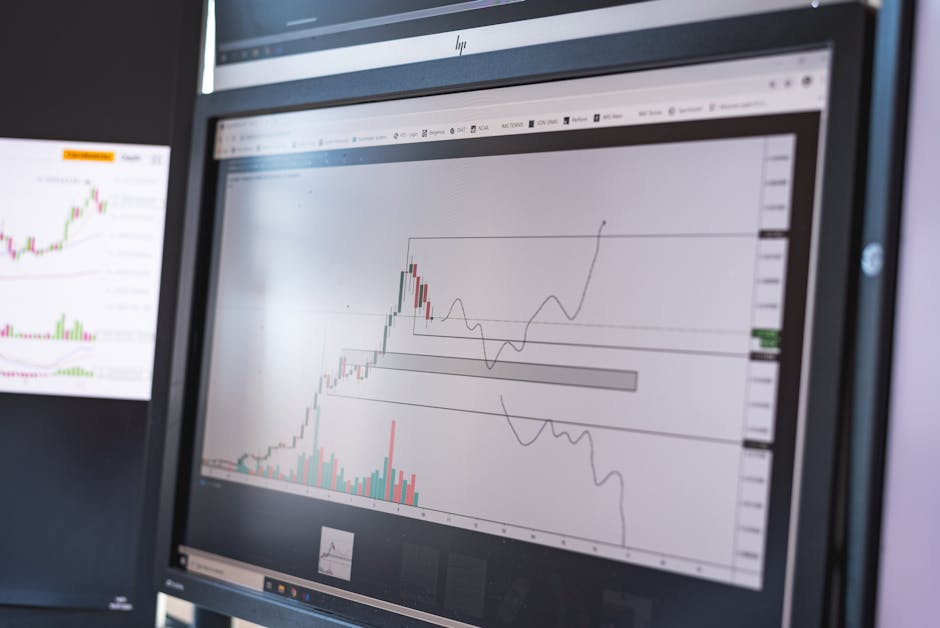
Output metrics are easy to game. Three output metrics (velocity, cycle time, PR throughput) plus three behavioral metrics (coordination speed, handoff friction, conflict resolution) that resist Goodhart's Law.

The Science Behind Team Dynamics: 50 Years of Research
Hub for the 8-part research series behind QuestWorks. Crew Resource Management, psychological safety, transactive memory, stealth assessment, and the closed-loop architecture (patent pending). First-person founder voice throughout.

Why Games Work for Team Development: 40 Years of Proof
Part 1 of The Science Behind the Game. Crew Resource Management, the magic circle, and why a game is the right delivery vehicle for team development. Salas 2001, Wilson 2008, Huizinga 1938, Salen and Zimmerman 2004.

Why Personality Assessments Don't Change Behavior
Part 2 of The Science Behind the Game. CliftonStrengths, DiSC, and MBTI results live in a drawer because knowing your profile isn't the same as practicing it. Wegner's transactive memory research points to a better approach.

Shared Fate: Why Interdependence Beats Trust Falls
Part 3 of The Science Behind the Game. Johnson and Johnson's social interdependence theory has 754+ studies behind it. Trust falls have zero. Plus how to prevent social loafing and unlock flow.
How to Build Psychological Safety Through Play
Part 4 of The Science Behind the Game. Edmondson, prospect theory, prosocial sacrifice, productive task conflict. Four bodies of research on why psychological safety is a practice, not a poster.

Team Reflexivity: How High Performers Learn From Failure
Part 5 of The Science Behind the Game. Two meta-analyses. 107 studies. The strongest training intervention effect in the research literature. And almost no team does it. Tannenbaum and Cerasoli 2013, Keiser and Arthur 2020.

Collective Efficacy: What Separates Great Teams From Good
Part 6 of The Science Behind the Game. Bandura, De Dreu and Weingart, Jehn, Pearce and Conger, Amabile. Five bodies of research on what makes the difference at the top.

Stealth Assessment: Measure Team Behavior Without Bias
Part 7 of The Science Behind the Game. Includes the full 15-row behavioral tagging table: every recognition category mapped to the underlying research construct.
Continuous Team Development: Why Static Assessments Fail
Part 8 of The Science Behind the Game. Tuckman, the closed-loop architecture, HeroGPT, the longitudinal advantage, privacy by design, and why simulation is the right frame. The integrated architecture is patent pending.

6 Leadership Skills That Actually Predict Performance
Most leadership skills lists are personality traits dressed up as competencies. The behaviors that actually move team outcomes are behavioral, learnable, and practice-based. Six skills backed by Google, Edmondson, Gallup, and CCL research.
The Team Management Operating System for EMs
Every team runs on an operating system with five layers: cadence, decisions, feedback, development, and measurement. A research-backed framework for engineering managers, built in the right order.

How to Diagnose Workplace Culture Before You Fix It
Most culture content prescribes solutions before diagnosing the problem. Seven questions that reveal what kind of culture problem you actually have, and why the wrong fix usually makes things worse.

How to Resolve Cross-Functional Team Conflict in 2026
75% of cross-functional teams are dysfunctional. The causes are structural, not personal. Four conflict types, a retro framework that does not turn into blame, and how to prevent the blowup before it starts.

7 Employee Retention Strategies That Work in 2026
Most retention content is a listicle of perks. The research keeps pointing somewhere different. Seven evidence-based strategies ranked by research strength, from manager quality to compensation.

Why Your Best Engineers Leave (And How to Keep Them)
When your strongest engineer hands in their notice, the exit interview will say "new opportunity." The research says it was almost certainly something else, and almost always something you could have seen six months earlier.

How to Manage a Difficult Employee Without It Backfiring
"Difficult employee" is almost always shorthand for "a person I have not figured out yet." Five diagnostic questions to run before the PIP conversation, and what to actually say in the 1:1.

Quiet Quitting on Engineering Teams: 5 Signs
Most quiet quitting content is generic HR commentary. On engineering teams, it shows up in code reviews, PR velocity, and architecture discussions. Five stages, six signals, and the reframe most articles miss.

How to Give Feedback to Engineers That Actually Lands
Engineers are pattern-matchers who respect data and distrust vague praise. The SBI framework adapted for technical context, async vs. sync delivery, and why the feedback sandwich backfires.

10 Trust-Building Exercises for Remote Teams, Ranked
Ten specific exercises ranked by effort, team size suitability, and async compatibility. From five-minute vulnerability loops to always-on team dynamics practice.

Why Team Building Fails (And What to Do Instead)
Companies spend $4.7 billion a year on team building. The forgetting curve erases 70% of it within 24 hours. Here are the five structural reasons it keeps failing, backed by research.

How to Build Remote Team Culture Without Forced Fun
Culture on a remote team is a system with three layers: rituals, artifacts, and practices. Here is how to architect each one, with real examples from GitLab and Automattic.

51 One-on-One Meeting Questions That Surface Real Signal
51 questions across seven categories: trust-building, career growth, feedback, team dynamics, skip-level, remote-specific, and first meetings. Each with a note on when to use it.

Burnout at Work: Causes, Symptoms, and Research
52% of workers report burnout. The WHO classified it. Maslach measured it. The research is clear: burnout is a team dynamics problem, not a personal failure.

How to Recover From Burnout at Work Without Quitting
Most burnout advice stops at "set boundaries." Here is the full playbook, including the team-level changes most recovery guides ignore.
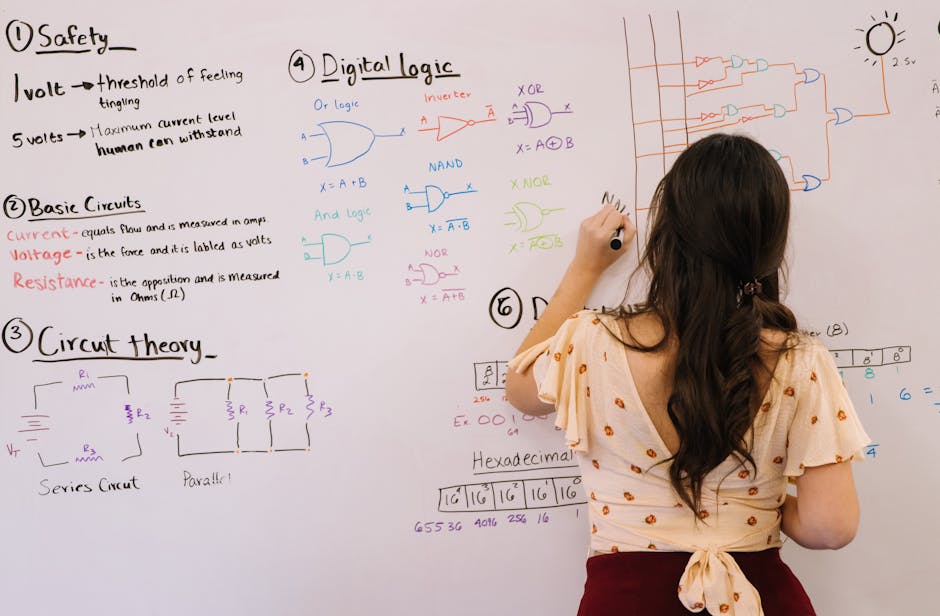
How to Be a Better Engineering Manager: The Playbook
There are hundreds of articles about what bad managers do wrong. This one covers what great managers do right, with the research to back it up.
The 1:1 Template Engineering Managers Actually Use
The 5-10-5 structure, the questions that surface real signal, and three variants for different situations. Your highest-leverage 30 minutes.
How to Use AI to Become a Better Manager (2026)
Five categories of AI tools that save managers time. What each one does, what it replaces, and the critical question most reviews skip: does it reduce your cognitive load or add to it?
Why Team Intelligence Is Emerging Now
Four forces are putting team intelligence on the map for managers and HR leaders in 2026: distributed work, AI shifting the unit of analysis, the people-analytics maturity gap, and a science base that is no longer fringe.

What a $359 Billion Problem Looks Like From the Inside
A fictional engineering team's conflict cascade, backed by every real stat.

9 Best Team Building Tools for Remote Engineers (2026)
The 9 best tools compared: from async coffee chats to continuous team dynamics practice.
Team Dynamics Simulators vs. Team Building Events
Events create moments. Assessments create labels. Simulators create skills.

The 60% Problem: Why Most New Managers Fail
The training gap nobody fills and the practice that closes it.

Remote Team Feels Disconnected? Happy Hours Won't Fix It
Why happy hours fail and what rebuilds trust across distributed teams.

7 Donut Alternatives for Slack Beyond Coffee Chats
Recognition bots, virtual offices, and a team dynamics simulator. Pricing and tradeoffs.
5 Best Tools for New Engineering Managers in 2026
Five tools covering project tracking, 1:1s, feedback, performance, and team dynamics.
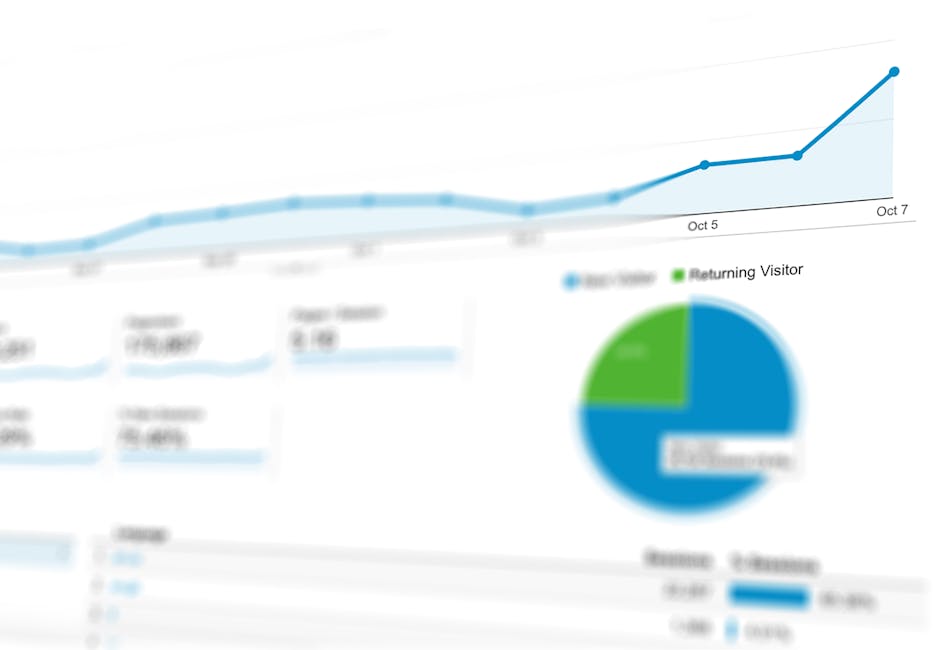
6 Ways to Measure Team Dynamics Beyond Surveys
Six approaches from pulse surveys to behavioral simulation, with blind spots for each.

8 Team Building Ideas Engineers Won't Hate
Rated and ranked by engineers who've survived trust falls. Introvert-friendly picks included.

D&D at Work: 5 Ways Companies Use RPGs for Team Building
From hiring a DM to AI-run quests, the TTRPG-to-workplace pipeline is real.

Why Engineers Bond on Discord But Not at Work
What makes gaming bonds work, and why corporate team building ignores it.

New Engineering Manager: Your Team Doesn't Talk. Fix It.
Silent standups, camera-off retros, one-word answers. Here's the playbook.

7 Signs Your Remote Team Has Trust Issues
Seven invisible signals and the behavioral data that makes them visible.

Psychological Safety Is a Perishable Skill, Not a Vibe
New research says it requires four active processes. Most teams practice zero.

AI Brain Fry: What It's Doing to Your Best Engineers
BCG research on cognitive overload and what one self-running tool can replace.
Your Team's Slack Activity Is Not a Signal. This Is.
Four fake signals managers track and the behavioral data that actually matters.

QuestWorks vs. Virtual Escape Rooms: Which Builds Teams?
Escape rooms are fun. They score 1 out of 4 on what builds teams.

The Megamanager Guide: Leading 12 Remote Engineers
Team sizes grew to 12.1. Your toolkit stayed the same. Here's the force multiplier.

Why Your $15,000 Company Offsite Didn't Change Anything
$1,500/person once vs. $199/mo flat for your team. The math and the research.

How Gamification Improves Team Engagement in 2026
Most gamification is a leaderboard stapled onto a process nobody wanted to do. The version that works looks completely different.
How to Maintain Team Cohesion in a Virtual Environment
Your team works well individually. The question is whether they work well together. In a virtual environment, the answer erodes faster than you think.
Leading a Distributed Workforce: 2026 Best Practices
The distributed leadership playbook has evolved past "use Slack and do weekly check-ins." Here are the practices that separate high-performing distributed teams from the rest.

How to Boost Employee Engagement With Digital Tools
The digital engagement tool landscape is crowded. Here's a research-backed framework for figuring out which tools actually move the metrics that matter.

How to Improve Communication in Remote Teams in 2026
Remote communication doesn't break in obvious ways. It breaks in the silence between messages, the feedback that never gets given, and the tone that gets misread.

How to Boost Employee Morale on a Remote Team
Morale on a remote team is a structural problem. The fix is structural too. Here's what the research says about building morale that lasts longer than a pizza delivery.
Employee Recognition Programs That Actually Work
Recognition programs are everywhere. Results are not. Here's what separates the programs that actually move retention and engagement from the ones collecting dust.
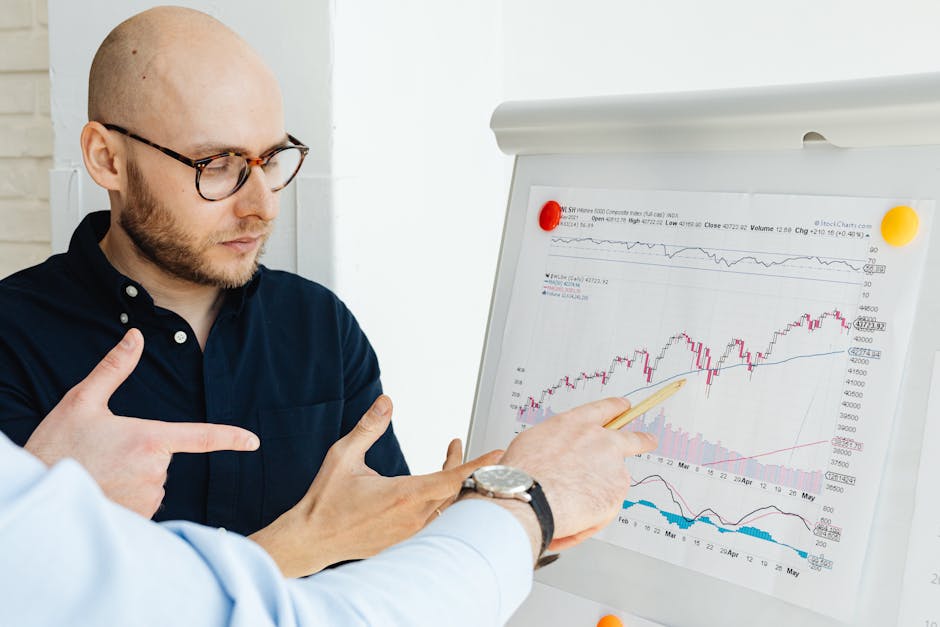
How Top Companies Measure Psychological Safety in 2026
Google surveys for it. Etsy watches for it in postmortems. Microsoft bakes it into Viva. Here are the exact frameworks they use.

Psychological Safety in Hybrid Teams: Why Trust Breaks
Your hybrid team has two tiers. One has hallway conversations and easy access to leadership. The other has a mute button.
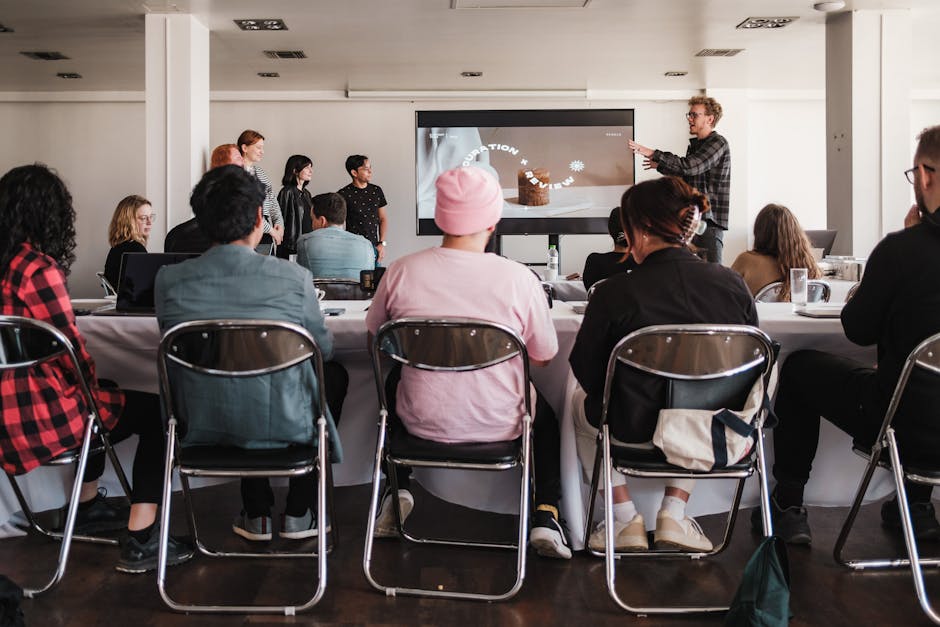
Psychological Safety Training That Isn't HR Theater
Workshop design, facilitation scripts, common failure modes, and the four-phase playbook that actually sticks.

A Leader's Playbook for Building Trust on Remote Teams
Six proactive strategies for building trust from scratch, before the damage starts.
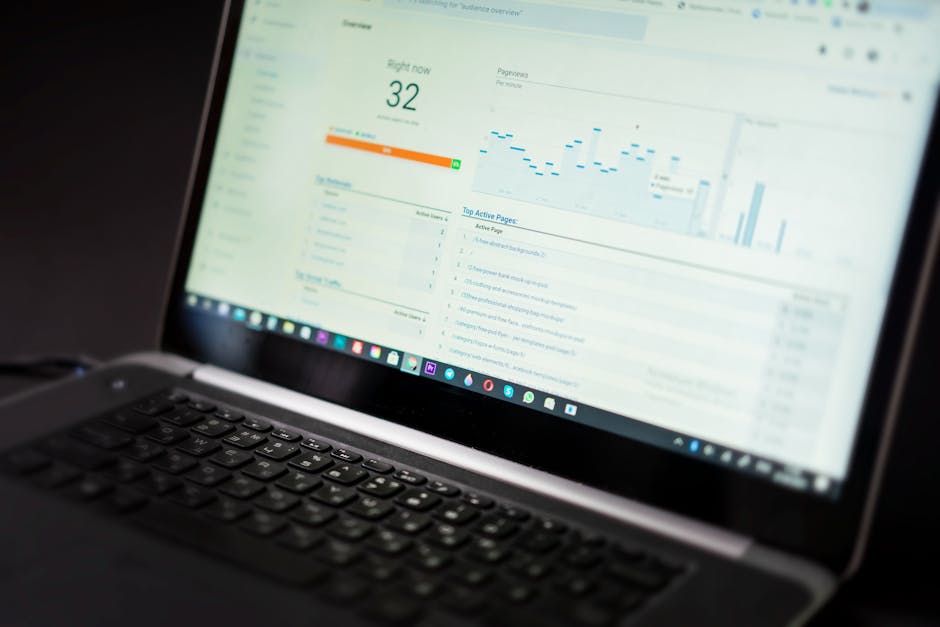
5 Tools That Track Psychological Safety Metrics (2026)
Most "psychological safety tools" are engagement surveys with a new label. Here are five that actually touch the construct.

The Real Cost of Disengaged Employees (Beyond $8.8T)
The headline number is $8.8 trillion. The actual damage runs deeper: knowledge hoarding, disengagement contagion, and the invisible talent drain surveys never catch.

How to Re-Engage a Checked-Out Employee in the 1:1
The manager's playbook for the 1:1 where someone has mentally quit. Three conversation stages, what to say, and why "just try harder" backfires.

7 Signs Your Team Is Already Disengaging
Seven behavioral signals that predict team disengagement months before anyone gives notice. Camera-off creep, standup monosyllables, and five more.

Overwhelmed New Manager? The Part Nobody Warns You
The emotional reality of the IC-to-manager transition: identity loss, loneliness, guilt, and the structural reasons this feeling is normal.
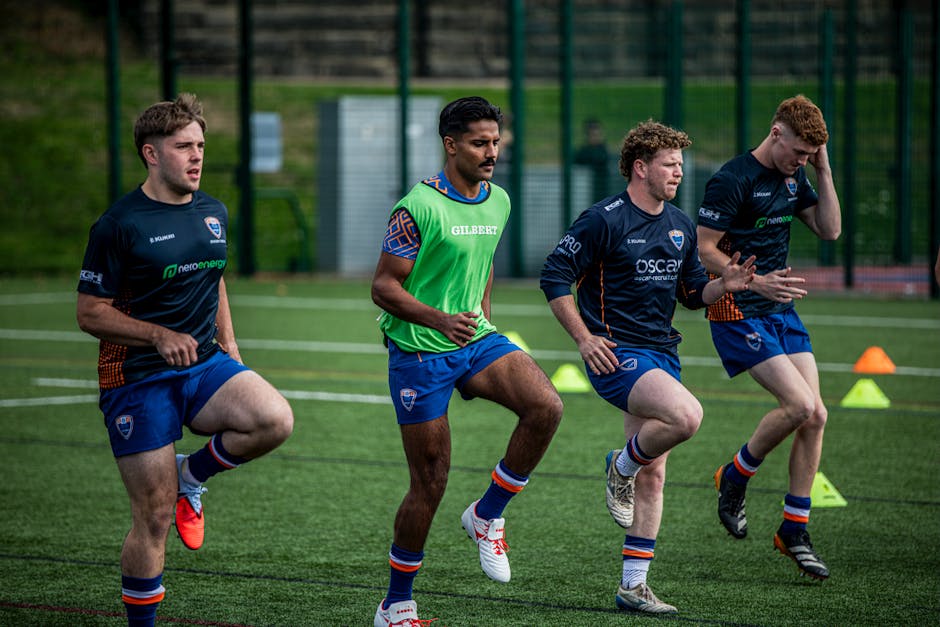
Every Great Team Practices. Yours Probably Doesn't.
Pilots simulate. Surgeons simulate. Athletes scrimmage. Corporate teams do none of this. The research says that is the problem.

How to Fix a Team That Won't Communicate: Diagnostic
A decision-tree diagnostic for teams with communication breakdowns. Trust, structure, tools, or norms? Each root cause requires a different fix.

When Your Leadership Team Doesn't Get Along
Nobody writes about leadership-level dysfunction. When directors and VPs do not collaborate, conflicting priorities cascade through the entire org.

How Low Morale Tanks Business Performance: The Numbers
Low morale degrades every performance metric that matters: productivity drops up to 56%, quality defects rise 41%, customer satisfaction erodes, and turnover increases 43%. Here are the numbers.

7 Ways to Measure Employee Engagement Beyond Surveys
79% of organizations rely on surveys as their primary engagement metric. Surveys are useful. They are also slow and self-reported. Here are seven measurement methods, from eNPS to behavioral data.

5 Best Leadership Courses for New Managers in 2026
Five leadership courses compared: LinkedIn Learning, Maven, Reforge, LifeLabs Learning, and Gallup CliftonStrengths. What each teaches, what it costs, and the gap none of them fill.

The 5 Best Anonymous Employee Feedback Tools (2026)
Officevibe, TINYpulse, Culture Amp, 15Five, and Lattice compared on anonymity guarantees, pricing, question libraries, and the behavioral blind spot they all share.

Do You Need a Leadership Coach? How to Decide in 2026
When coaching makes sense, when it does not, what good coaching costs ($200-500/hr), red flags to watch for, and why $500/hr might not be the only option anymore.

What Team Collaboration Actually Means in 2026
Collaboration is a behavioral pattern, not a tool category. Slack, Jira, Notion, and Zoom are a communication stack. Four behaviors the research says actually produce collaboration, backed by Cross, McKinsey, Microsoft, and Gallup data.

The Real Science of Employee Motivation (No Perks)
Deci and Ryan's Self-Determination Theory, Daniel Pink's Drive, and Herzberg's two-factor theory converge on three psychological needs. The best predictor of whether those needs get met is the team you're on, not the company's perks.

Why Remote Work Causes Burnout (And the Real Fix)
Proximity collapse, meeting creep, lost ambient team awareness, context collapse. Four structural causes of remote burnout the wellness-app framing misses, backed by Microsoft, Gallup, APA, and Stanford research.

25 Virtual Team Building Activities That Work (2026)
25 activities organized by category with time, cost, group size, and a one-line verdict. Quick energizers, collaborative challenges, creative workshops, competitive games, and ongoing programs.

50 Icebreaker Questions for Work (No Cringe)
50 questions organized by six workplace contexts: first meetings, standups, all-hands, cross-team, remote teams, and new hire orientation.

15 Quick Team Building Exercises (Under 15 Minutes)
Every exercise fits in a meeting slot. Sorted from quickest (2 minutes) to longest (15 minutes), with format, group size, and what each one builds.

20 Fun Team Building Games for Remote Teams (2026)
10 free and 10 paid games with cost, group size, vibe, and a verdict. Tested options for remote teams that want connection without cringe.

Team Bonding Activities for Small Groups (2-8 People)
15 activities designed for small groups, split by in-office, remote, and hybrid. Each with time, cost, and the team skill it builds.

Team Building Activities for New Teams: A 30-Day Plan
12 activities sequenced over 30 days. From low-stakes introductions in week 1 to shared challenges in week 4. Build trust incrementally.

15 Free Team Building Activities (Real Results)
15 activities that cost nothing. Remote-friendly, no materials needed. From skill swaps to failure shares, build trust without a budget.

Team Building for Hybrid Teams: 12 Activities That Work
Sort every activity into three buckets: go all-remote, use hybrid-native formats, or skip entirely. 12 activities sorted for you.

Team Building Activities for Large Groups (20-100+)
12 activities that scale to 20-100+ people. All-hands energizers, breakout activities, and company-wide programs with logistics notes.

10 Monday Morning Team Activities to Start the Week Right
10 activities under 10 minutes, zero prep, remote-friendly. Pick one, run it for a month, and change how your team starts every week.
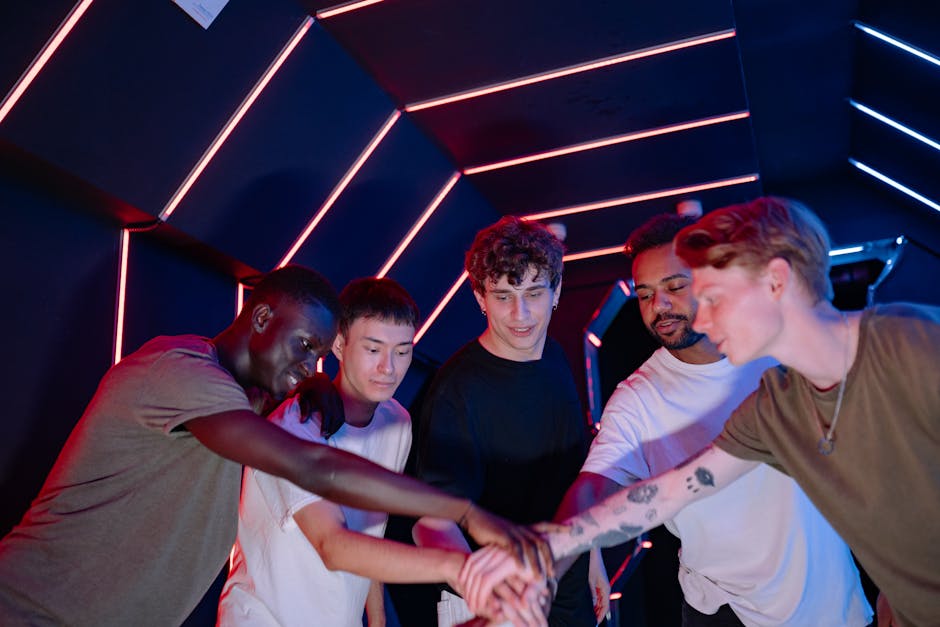
10 Five-Minute Team Building Exercises for Busy Teams
Ten exercises that fit before standup. Each tagged with format and the specific team skill it builds. Five minutes that compound into real connection.

15 Creative Team Building Ideas Beyond Trivia
For teams that have done every trivia night and escape room. Collaborative art, team podcasts, hackathons, time capsules, and more.

12 Team Building Activities You Can Do on Slack
Bots, channels, games, and async challenges to build connection without leaving your workspace. A complete Slack team building stack.

10 End-of-Sprint Team Activities for Engineering Teams
5 celebration activities and 5 skill-building activities for the 30-60 minute slot after sprint review. Turn sprint boundaries into team development.

15 Holiday Team Building Ideas for Remote Teams (2026)
15 activities organized by effort level. Inclusive, culturally flexible, and designed for distributed teams across time zones.
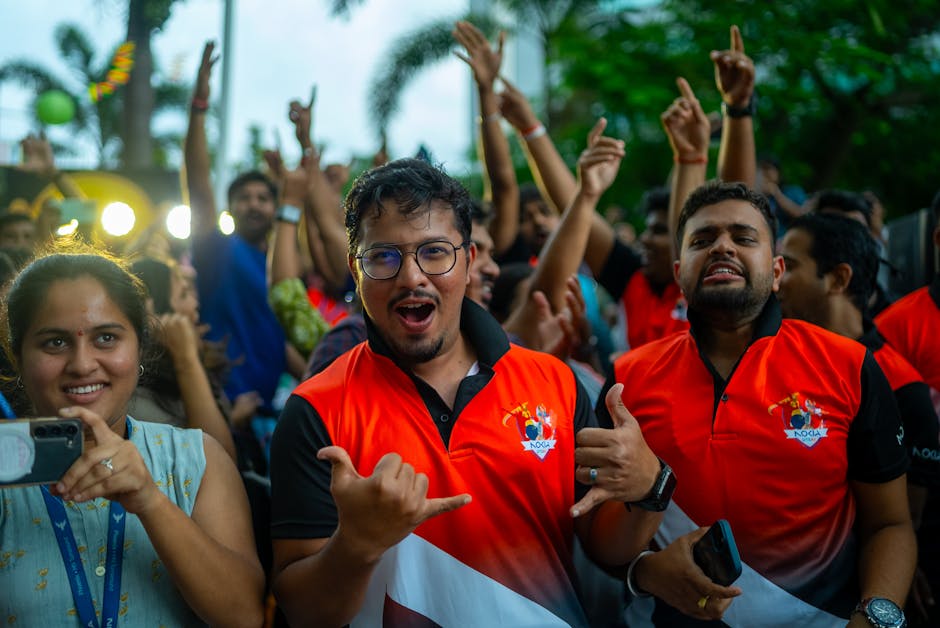
12 Team Building Activities for Sales Teams (2026)
Sales teams lose 35% of reps annually. 12 activities for competitive cultures and quota pressure, with time, cost, and group size.
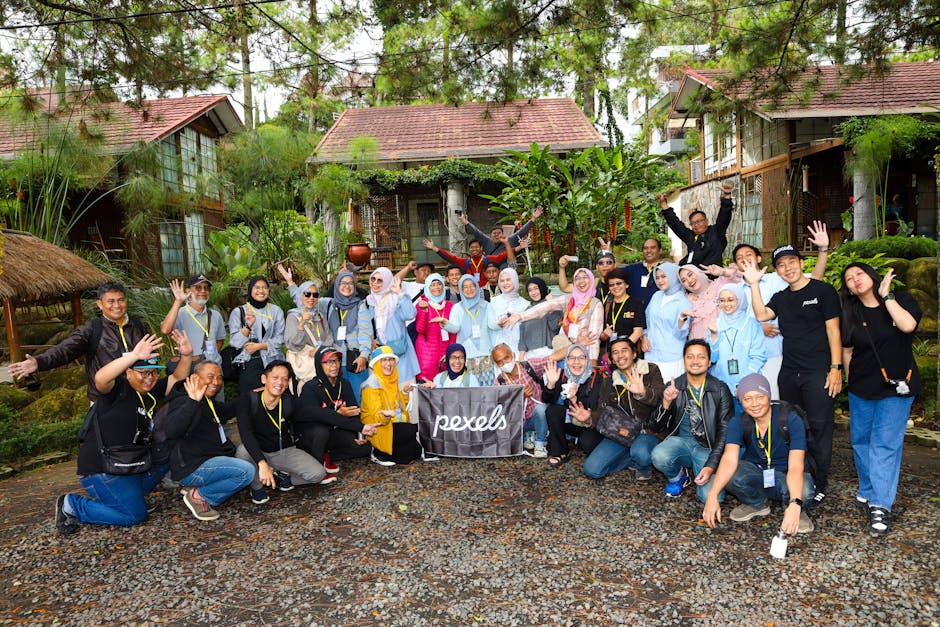
15 Outdoor Team Building Activities for Company Retreats
15 activities sorted by energy level with group size, time, cost, and logistics. Plus how to keep retreat bonds from fading after you get home.
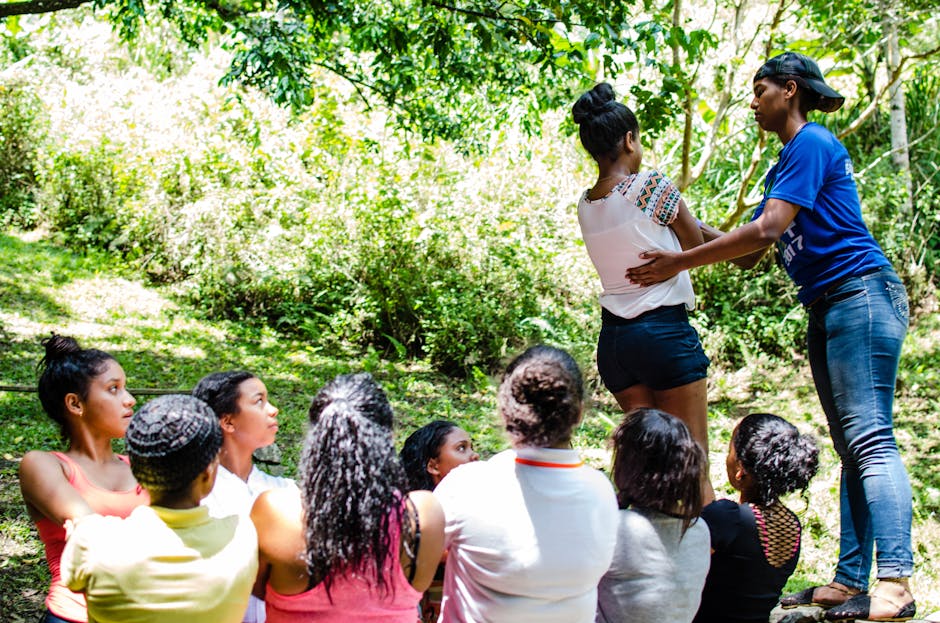
12 Team Building Activities That Build Trust (2026)
12 activities ranked by vulnerability required, repeat value, and evidence base. Based on Edmondson, Zak, and Project Aristotle research.

Virtual Team Building on a Budget: Under $5/Person
10 virtual team building activities under $5 per person, including 6 that are completely free. Exact costs, time, and team ratings.

Planning a Virtual Team Building Event (2026)
Step-by-step event planning: budget, timing, platform choice, facilitation tips, and a full checklist. Plus why one event is never enough.


The Team Intelligence Engine.