
 See a sample QuestDash
7 Best Confetti Alternatives (2026)
Confetti is a great virtual events marketplace. But if you want lower per-event costs, a different format, or team building that runs on a regular schedule instead of once, here are seven honest alternatives, ranked by who they fit best.
TL;DR
Confetti is excellent for self-serve, host-led one-time events. The best alternative depends on your goal. For ongoing team development, QuestWorks is the standout: AI-facilitated team quests on the team's schedule, Slack integration, a flat $199 a month for your team. For another event catalog, TeamBuilding.com is the closest match. For casual connection, Slack culture apps like Donut. For a deeper reset, an offsite. Below, all seven, with who each is for.
People search for Confetti alternatives for a few honest reasons: per-event, per-person pricing adds up if you run events regularly, the one-time format does not build lasting team habits, or they simply want to compare options before booking. This guide lists real alternatives, says plainly what each is good at, and helps you match the tool to the job.
One framing matters before the list. Confetti and most names below are built for one-time events. QuestWorks is built for continuous development, so it appears first as the standout for teams that want a program rather than a party.
| Alternative | Type | Cadence | Best For |
|---|---|---|---|
| QuestWorks | Team Intelligence platform | Ongoing, on the team's schedule | Continuous team development |
| TeamBuilding.com | Hosted virtual events | One-time | Curated, managed large events |
| Virtual escape rooms | Hosted puzzle events | One-time | High-energy problem-solving |
| Donut & Slack culture apps | Social nudge apps | Ongoing (passive) | Casual connection & recognition |
| In-person offsites | Live gatherings | Occasional | Deep, in-person resets |
| Free / DIY activities | Self-run games | Ad hoc | Tight budgets, casual fun |
| Cooking / experience kits | Shipped + hosted | One-time | Tactile, sensory experiences |
1. The Standout for Ongoing Development
QuestWorks
If your real goal is not a single event but a team that keeps getting better, QuestWorks is the alternative built for that. It is a Team Intelligence platform that runs AI-facilitated cinematic team quests on autopilot, on a schedule the team picks. On game day the whole team plays at once, seated dynamically into groups of 3 to 6, and built-in personality frameworks help teammates understand each other's work styles from the first session. It starts on the web, with Slack and Teams as optional connectors, while quests run on its own cinematic, voice-controlled web platform.
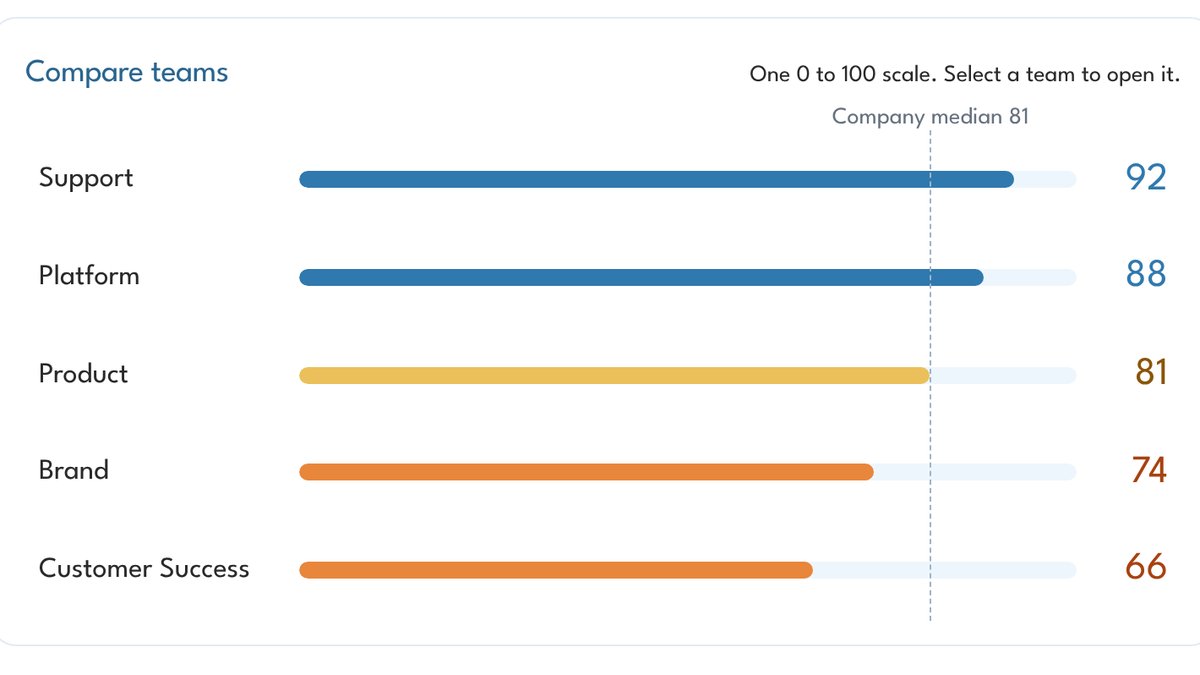
Where Confetti gives you one entertaining afternoon, QuestWorks compounds. The same teammates keep showing up to new scenarios, earn XP and level up, and the QuestDash analytics dashboard tracks participation and team development over time. There is no host to hire, no booking, and no per-event coordination.
- Pricing: flat $199 a month for your team, or $1,990 per year, after your free score, no card to start
- Format: AI-facilitated cinematic quests on the team's schedule, 25 minutes
- Integrates with: Slack and Microsoft Teams
Best for: teams that want a continuous program with measurable outcomes, not a one-time party.
2. The Closest Like-for-Like
TeamBuilding.com
If you like Confetti's hosted-event model but want a more managed, hands-on experience, TeamBuilding.com is the closest match. Instead of a fully self-serve catalog, it pairs you with an event coordinator and a dedicated facilitator who runs your session from a curated set of 50+ event types. It scales to very large groups, from 10 to over 1,000 participants, which makes it a common pick for company-wide socials.
Pricing is per event and varies by activity and group size, with custom quotes for larger teams. Like Confetti, it is built for one-time events rather than ongoing development.
Best for: high-stakes, large events you want managed end to end. See our Confetti vs TeamBuilding.com comparison.
3. The High-Energy Option
Virtual Escape Rooms
Standalone virtual escape room providers deliver a focused, high-energy problem-solving session. A live host or guided platform walks your team through puzzles against a clock, which can be a fun way to see who steps up under a little pressure. Many are available as one-off bookings without a subscription.
The trade-off is the same one-and-done limitation: once the puzzle is solved, the experience ends, and there is no built-in way to carry momentum into next week. Pricing varies widely by provider, so request a quote for your group size.
Best for: teams that want one energetic, collaborative challenge.
4. The Always-On Social Layer
Donut and Slack Culture Apps
If the underlying need is everyday connection rather than a marquee event, Slack culture apps are a cheaper, lighter fit. Donut automates random coffee pairings, intros, watercooler prompts, and celebrations. HeyTaco adds peer recognition through virtual tacos. These tools live in Slack, cost little, and require almost no admin.
They are not events and they do not develop collaborative skills, but they keep a distributed team feeling connected between bigger moments. Pricing ranges from free tiers to a few dollars per user per month.
Best for: casual connection and recognition. See our Donut vs HeyTaco comparison.
5. The Deep Reset
In-Person Offsites
Sometimes the right alternative is not virtual at all. An in-person offsite, a retreat, workshop, or team trip, can create the kind of deep bonding and uninterrupted strategy time that no video call matches. For distributed teams that rarely meet in person, an annual offsite can be a high-impact reset.
The honest downsides are cost and frequency: offsites are expensive, logistically heavy, and happen at most once or twice a year. They complement an ongoing program rather than replace it.
Best for: occasional, high-investment in-person resets. See our QuestWorks vs Offsites comparison.
6. The Budget Pick
Free and DIY Activities
On a tight budget, you can self-run team building with free online games, quiz tools, and facilitator guides. Trivia, online board games, and themed video calls cost nothing but a volunteer organizer's time. For very small teams or one-off morale moments, this can be plenty.
The catch is that DIY relies on someone to plan and host every time, quality is inconsistent, and there is no measurement or structure. It works until the volunteer organizer burns out.
Best for: tight budgets and casual, occasional fun. See our QuestWorks vs Free Games comparison.
7. The Tactile Experience
Cooking Classes and Experience Kits
Several providers ship physical kits, ingredients, cocktail supplies, craft materials, then run a live hosted session over video. The tactile, sensory element makes these memorable and great for special occasions, since everyone is doing something with their hands instead of just talking on a call.
Shipping logistics and per-person costs make these best for planned, occasional events rather than a regular habit. Confetti itself offers many experiences in this category, so this is more of a format choice than a competitor.
Best for: memorable, hands-on special occasions.
Frequently Asked Questions
What is the best alternative to Confetti?
The best alternative depends on your goal. For another self-serve catalog of hosted events, TeamBuilding.com is the closest like-for-like. For ongoing team development instead of one-off events, QuestWorks is the standout: it runs AI-facilitated cinematic team quests on the team's schedule, integrates with Slack, and costs a flat $199 a month for your team. For lightweight social connection, Slack culture apps like Donut work well. The right pick is the one that matches whether you want a one-time event or a continuous program.
Are there cheaper alternatives to Confetti?
Yes, depending on usage. Confetti charges per event per person (often around $20 to $50 per participant), so for a single event the cost is predictable. For teams that want regular engagement, a flat subscription like QuestWorks at $199 a month for your team can cost far less over a year than booking monthly events. Slack culture apps such as Donut are also low-cost but solve a different problem (connection, not events).
What is the best Confetti alternative for ongoing team building?
QuestWorks is purpose-built for ongoing team intelligence. Where Confetti delivers one-time hosted events, QuestWorks runs AI-facilitated cinematic team quests on autopilot, on a schedule the team picks, with the whole team playing each game day in groups of 3 to 6, XP and level progression, and the QuestDash analytics dashboard. It integrates with Slack and costs a flat $199 a month for your team (or $1,990 per year), after your free score.
Is QuestWorks a direct replacement for Confetti?
Not exactly, because they solve different jobs. Confetti is excellent for a one-time large social event with a live host. QuestWorks is the always-on layer for developing your team on the team's schedule. Some teams use both: an event vendor for the occasional big celebration and QuestWorks for the regular rhythm. If you only want one tool and your goal is ongoing development, QuestWorks replaces the need for repeated event bookings.
Do Confetti alternatives integrate with Slack?
Most event vendors, including Confetti and TeamBuilding.com, run over Zoom and coordinate by email or calendar. Slack culture apps like Donut sit in your Slack workspace but focus on social nudges. QuestWorks is a Team Intelligence platform that starts on the web, with Slack and Teams as optional connectors, while quests run on its own cinematic, voice-controlled web platform.
How do I choose between Confetti alternatives?
Start by naming the job. Need a one-time large social? Compare Confetti, TeamBuilding.com, and virtual escape rooms. Need ongoing development that compounds? Choose QuestWorks. Need casual connection or recognition? Use Slack culture apps. Need a deeper in-person reset once a year? Plan an offsite. Matching the tool to the job matters more than the brand name.